
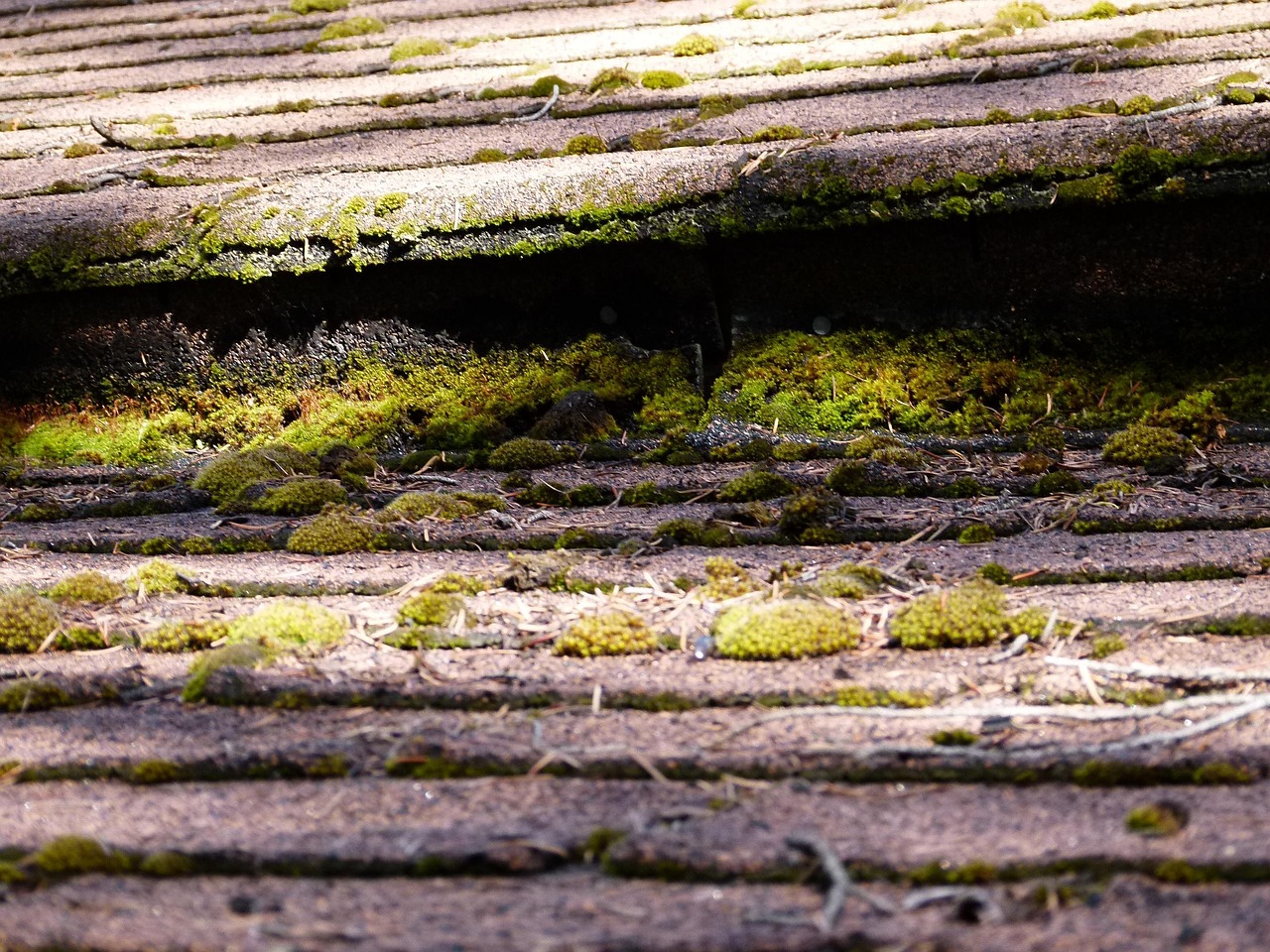
Walk the streets around Cleburne's downtown historic district at the end of a long Texas summer and the tired roofs pick themselves out: shingle edges lifting like dry paper, dark patches where granules have washed into the gutters, a tab missing near the ridge. Every one of those homeowners eventually faces the question of roof repair vs replacement. Age, how far the damage has spread, how many layers are already up there and what the decking looks like settle it far more often than any sales pitch does.
Key Takeaways
- A repair makes sense when the damage is limited to one area or one component and the rest of the roof still has real years left in it.
- Replacement becomes the better answer when wear is spread across several slopes, the shingles are curling or too distorted to lie flat, or the same area keeps leaking after it has been fixed.
- Industry guidance treats more than one existing layer as a tear-off trigger, and most codes cap a house at two roof coverings in total.
- Soft, rotted or warped decking cannot be fixed from the top of the shingles, so evidence of it pushes the decision toward a tear-off.
- A perfect color match on a repair is rare, which matters more on a front-facing slope than on the back of the house.
- Storm damage and insurance change the math, but they are a separate conversation from ordinary wear.
The Age of the Roof Sets the Starting Point
Roof age is the first filter because it tells you how much life a repair can borrow against. A sound roof in the first half of its service life with a single failed component is a repair almost every time, since the surrounding shingles will keep doing their job for years after the fix. A roof in its last few years is different: a repair there may hold, but you are patching something that will need replacing soon anyway.
Age alone is not the verdict, though. North Texas sun ages a roof unevenly, and the InterNACHI guide to asphalt shingle granule loss notes that south- and west-facing slopes are more likely to take a beating, and that long-term, uniform granule loss is normal aging rather than damage. In Cleburne that often means the back slope facing the afternoon sun can look noticeably older than the front. The useful question is how many good years the worst slope has left.
How Far the Damage Has Spread Decides Most Cases
Damage confined to one spot is a repair; damage spread across the roof is a replacement in waiting. A handful of wind-lifted tabs on one slope, a cracked rubber collar around a plumbing vent, or a short run of loose ridge cap are contained problems with a clear edge. The roof repair page here puts it plainly: a roof with years left and a failed pipe boot has a boot problem, not a roof problem.
The picture changes when the same symptoms show up on three or four slopes at once. Widespread curling, cupping, cracking or bare spots mean the shingle field itself is wearing out, not one component. At that point every repair is a patch on material that is failing around it, and new shingles may not seal well against old, brittle ones. Manufacturer guidance points the same way: the GAF technical bulletin on roofing over existing shingles recommends a tear-off when the old shingles are too warped, curled or weathered to leave a level surface.
Layers Already on the Roof Can Make the Choice for You
If your house already carries two layers of shingles, a recover is effectively off the table. The Asphalt Roofing Manufacturers Association bulletin on replacement versus recover states that most building codes do not allow more than two roof coverings on a building, and that codes may require removing more than one layer. GAF's bulletin is stricter still on its own products: there should only be one existing roof in place, and if there is more than one, a complete tear-off is necessary.
Older Cleburne houses are where a second layer tends to turn up, often from a recover done decades ago. Extra layers add weight, hide the decking and shorten the life of whatever goes on top. Cleburne Roofing Pros does not install new shingles over old ones at all; its roof replacement scope is a tear-off to the deck every time, so a layer count changes how much comes off rather than whether anything does.
Decking Condition Is the Factor You Cannot See From the Yard
Damaged decking pushes the decision toward replacement, because the plywood or boards under the shingles cannot be properly repaired from above. The ARMA bulletin lists rot, warping or large gaps in the deck as reasons a tear-off will probably be needed, and says rotten or damaged boards must be replaced before new shingles go on. It also flags sagging across the ridge or along truss lines as a sign that calls for a licensed structural engineer, not just a roofer.
Clues include a wavy roofline, soft spots that flex underfoot, or stains on the attic side of the sheathing. A small soft area can be handled within a repair, but a deck that has been wet for a long time is another matter: GAF advises a tear-off whenever the deck may be damaged, such as after extensive leaks, so the whole surface can be inspected and the deteriorated sections replaced.
A Leak That Keeps Coming Back Is a Verdict, Not a Repair Ticket
When the same area leaks again after a competent repair, the roof is usually telling you the problem is bigger than the spot being fixed. One leak, traced to a clear cause and fixed, is ordinary maintenance. A second or third leak in the same valley, along the same wall or around the same chimney suggests worn shingles around the repair, failing flashing that was reused rather than renewed, or water that has been reaching the deck for long enough to soften it.
Recurring leaks also cost more than the roofing invoice shows: stained ceilings, wet insulation and slow damage behind them. If you have paid for more than one repair on the same area, have the whole roof assessed rather than booking another patch; the roof leak repair page covers that work.
Matching Shingles Is an Honest Limitation of Repairs
A repaired section will rarely match the rest of the roof exactly, and that should factor into the decision on visible slopes. Shingle color lots change from production run to production run, product lines get discontinued, and the existing roof has faded in the sun since it was installed. The repair page here is candid about it: close, rarely exact.
On a back slope that nobody sees from the street, a slightly different shade is a cosmetic footnote. On the front of a house in one of Cleburne's established neighborhoods, a visibly different patch can bother a homeowner every time they pull into the driveway. On the most visible slope of an aging roof, that is a fair reason to lean toward replacement.
Storm Damage and Insurance Are a Separate Question
If the damage came from a single storm rather than years of wear, the repair-or-replace decision often runs through a property insurance claim, and that follows its own rules. That is beyond the scope of this guide; the storm and hail damage roof repair page is the place to start if a recent storm is the reason you are asking.
Permits and Local Code Add a Practical Check
Whichever way you go, check the permit question with the city before work starts. The City of Cleburne Building Permits page states that permits are required before construction begins and that both new and remodel work is permitted and inspected for compliance with adopted codes, and it describes the city's move to the 2021 International Code Council codes. Building Inspections sits within the Community Development Department.
Local code also feeds directly into the repair-versus-replacement question, because it is where the layer limit and recover rules are enforced. GAF's bulletin notes that a tear-off may be required by local code even when its own conditions for a recover are otherwise met. Outside city limits, in Joshua, Keene, Burleson or elsewhere in Johnson County, the rules come from that city or the county.
Questions Cleburne Homeowners Ask Before Deciding
Is it cheaper to repair or replace a roof?
A repair is almost always cheaper on the day, but it is only the better value if the rest of the roof has enough life left to justify it. Once wear spans several slopes or repairs keep recurring, repeated fixes can approach the cost of replacement while leaving you with an old roof.
Can new shingles go over my old roof instead of a tear-off?
Industry bulletins allow a recover only when there is a single existing layer in good, flat condition and local code permits it. Cleburne Roofing Pros does not install over existing shingles, so every replacement it quotes starts with a tear-off to the deck.
How do I know if my roof decking is damaged?
A wavy or sagging roofline, soft spots that flex when walked on and stained sheathing seen from the attic are the common signs. Widespread decking problems point toward replacement.
Does one leak mean I need a new roof?
No. A single leak with a clear cause, such as a cracked pipe boot or lifted flashing, is a routine repair on a roof that is otherwise sound. It is repeated leaks in the same area, or leaks on an old roof with wear on every slope, that suggest replacement.
Not Sure Which Side of the Line Your Roof Is On?
An evaluation puts a roof age, a remaining-life estimate and written findings behind the repair-or-replace call, so the decision rests on what is actually up there.